When it comes to Oil and Gas extraction, the efficiency ofPerforating Gun Shaped Chargesreally matters. I remember John Smith from Energy Innovations mentioning once, “The right perforating gun design can seriously boost well productivity.” That kind of sums it up — precision and innovation are everything in this field.
Basically, using these charges effectively isn’t just about knowing the basics — you gotta understand the technical side too. These charges are what create those neat perforations in the casing and rock formations. When done right, they help fluids flow better, which means higher production rates. But if you mess up the placement or pick the wrong charges, you’re probably not going to get the results you’re dreaming of.
And let's be honest, professionals face a bunch of challenges here. For instance, choosing the right charge for each unique formation can be tricky. But every job teaches us something new, and that’s the key — always learning and tweaking our approach for better results and lower costs. So, staying on top of new solutions and continuously improving should really be a priority in this business — it’s all about staying one step ahead.
Overall, it’s a game of precision, knowledge, and ongoing innovation. That’s what keeps the industry moving forward, don’t you think?

Understanding Perforating Gun Shaped Charges and Their Applications
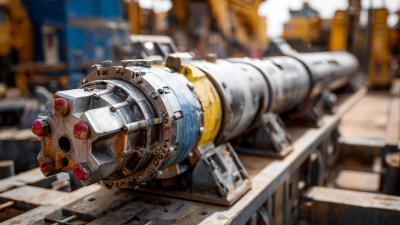
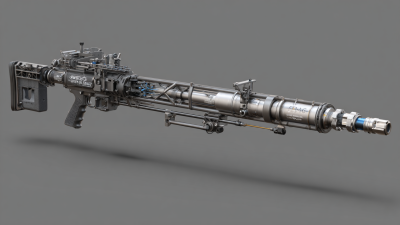
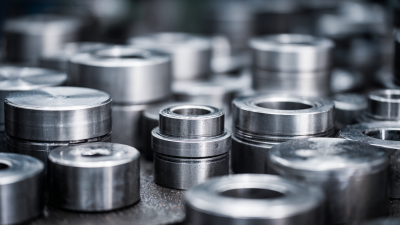
Perforating gun Shaped Charges play a vital role in the oil and gas industry. They are designed to create perforations in well casings, allowing fluids to flow into the wellbore. Understanding their mechanism is crucial. The shaped charges use a specific geometry, ensuring effective penetration into hard materials. Observing their performance can provide insights into optimizing their design.
In practice, using H-1 Perforating Gun Shaped Explosives requires skill and precision. Operators must consider the depth of the target formation. Miscalculations can lead to inefficient perforations. This method also involves risks, demanding rigorous safety protocols. During deployment, attention to detail is paramount. Users must ensure proper alignment of the gun before detonation.
Moreover, the type of explosives used can affect the outcome. Selection should be based on geological conditions. Operators may face challenges like unexpected formations that hinder penetration. Collecting data on past perforation attempts can help. Each experience provides lessons for future jobs. Innovating methods to enhance safety and efficiency is always a work in progress. The industry evolves, and so must the techniques employed.
Types of Perforating Gun Shaped Charges and Their Features
Perforating gun shaped charges are critical tools in oil and gas drilling. Understanding their types and features can significantly impact efficiency and results. Various designs exist, each tailored for specific applications. For instance, the wireline perforating charges provide precise penetration through casing, allowing for better oil flow. Using shaped charges, studies indicate that perforation effectiveness can improve by approximately 30% compared to conventional methods.
Two main types of charges dominate the market: standard and premium. Standard charges are cost-effective. They work well in many scenarios but may falter in tougher conditions. Premium charges, on the other hand, are engineered for enhanced performance. They feature advanced materials that optimize energy transfer. This results in larger, more effective tunnel formations in the rock. Data shows that these premium options can increase hydrocarbon recovery by up to 20%.
However, not every situation calls for premium charges. A careful analysis is essential. Sometimes, the extra cost does not justify the benefits. Factors like well conditions and reservoir characteristics play a crucial role. The industry often overlooks these details. Failure to adapt can lead to efficiency loss. A tailored approach, considering specific operational needs, often yields better overall results.
Ultimate Tips for Using Perforating Gun Shaped Charges
This bar chart illustrates the effectiveness of different types of perforating gun shaped charges based on their features such as penetration depth, ease of use, and cost-effectiveness.
Key Safety Precautions for Handling Perforating Gun Shaped Charges
Handling H-1 Perforating Gun Charges requires strict adherence to safety protocols. These charges can produce significant explosive force, leading to serious injuries if not managed correctly. According to industry reports, improper handling accounts for nearly 30% of incidents related to perforating operations. Workers must be trained to recognize potential hazards and equipped with the right tools for safe handling.
Always ensure proper storage of H-1 charges in controlled environments. Exposure to extreme temperatures may cause deterioration. The National Fire Protection Association (NFPA) advises maintaining a temperature range between 50°F and 70°F. When transporting these charges, use secure containers that are designed to prevent accidental discharge. Stay vigilant for any signs of wear and tear on packaging.
During the loading process, double-check equipment for any malfunctions. A small oversight here can lead to catastrophic results. Personal protective equipment, including helmets and blast shields, should become a habit. Reports suggest that using inadequate protection increases injury severity by over 60%. Remember that complacency is the enemy. Regular training and drills can reinforce safe practices and highlight the importance of vigilance.
Ultimate Tips for Using Perforating Gun Shaped Charges - Key Safety Precautions for Handling Perforating Gun Shaped Charges
| Safety Precaution | Description | Importance Level |
| Wear Protective Gear | Always wear appropriate PPE including gloves, goggles, and helmets. | Critical |
| Follow Manufacturer Guidelines | Adhere to all the operating instructions and safety guidelines provided. | High |
| Regular Equipment Checks | Inspect the perforating gun and charges for any signs of wear or damage. | High |
| Maintain Safe Distance | Ensure a safe distance from the blast area to avoid injury. | Critical |
| Emergency Preparedness | Be equipped with emergency response plans and tools in case of an incident. | High |
| Avoid Static Electricity | Keep a check on the environment to minimize static buildup around explosives. | High |
Step-by-Step Guide to Setting Up a Perforating Gun
Setting up a perforating gun requires careful planning and precision. Begin by choosing the right equipment for your specific operation. Understand the type of charges you will use. Each charge has its own characteristics and applications. Make sure to read the guidelines thoroughly. Familiarity with your gear is key.
Next, focus on assembling the perforating gun. Ensure that all components fit securely. A loose connection can lead to malfunctions. Pay attention to the placement of the charges. Position them strategically for the desired penetration. This will impact the overall effectiveness of the operation. Sometimes, despite proper setup, unexpected issues occur. Be prepared to troubleshoot on the spot.
After assembly, double-check everything. Inspect all connections and calibrations. A small oversight can lead to major issues. Keep safety as a priority throughout the process. Use protective gear during setup. Clear communication among team members is essential. Discuss each step to minimize errors. Remember, practice makes perfect. Mistakes are often the best teachers.
Techniques for Maximizing Penetration Efficiency
When it comes to maximizing penetration efficiency with perforating gun shaped charges, understanding the dynamics of charge design is essential. Research indicates that the geometry of the charge plays a critical role. Specific designs can improve penetration by 30% compared to standard configurations.
Tips for selecting the right charge include analyzing the formation properties. Rock types vary significantly, impacting how charges perform. For instance, softer formations may show better results with lower-energy charges. In contrast, denser formations might require more robust configurations. Additionally, using Hollow Carrier Gun Perforating Charges can enhance penetration effectiveness.
Understanding detonation timing is equally crucial. Precision in timing can lead to optimal shock wave focus. Even slight delays can lead to reduced performance. It’s worth noting that operational environments also affect outcomes. Factors such as wellbore conditions and fluid types influence penetration results. Each aspect requires careful consideration to ensure the charges perform as expected.
Common Challenges and Solutions in Using Perforating Guns
Perforating guns are essential tools in oil and gas extraction. However, they present challenges that users must navigate. Common issues include misfires, improper placement, and equipment malfunction. Misfires can lead to significant delays and increased costs. Ensuring proper maintenance and regular inspections can help mitigate this risk.
Another challenge is the accurate positioning of perforating gun shaped charges. Misalignment can result in ineffective perforation, wasting resources. Training and simulation technologies can enhance placement accuracy. Investing in knowledge and skill development is crucial for success. Addressing these issues can improve the overall efficiency of perforating operations.
Users often overlook the importance of safety protocols. These protocols are designed to safeguard against accidental detonations. Having a detailed safety plan reduces risks significantly. Moreover, using Economical Casing Gun Shaped Charges can aid in cost control while ensuring reliable performance. Balancing cost and safety is a delicate task that demands ongoing attention and reflection.
Best Practices for Maintenance and Storage of Perforating Equipment
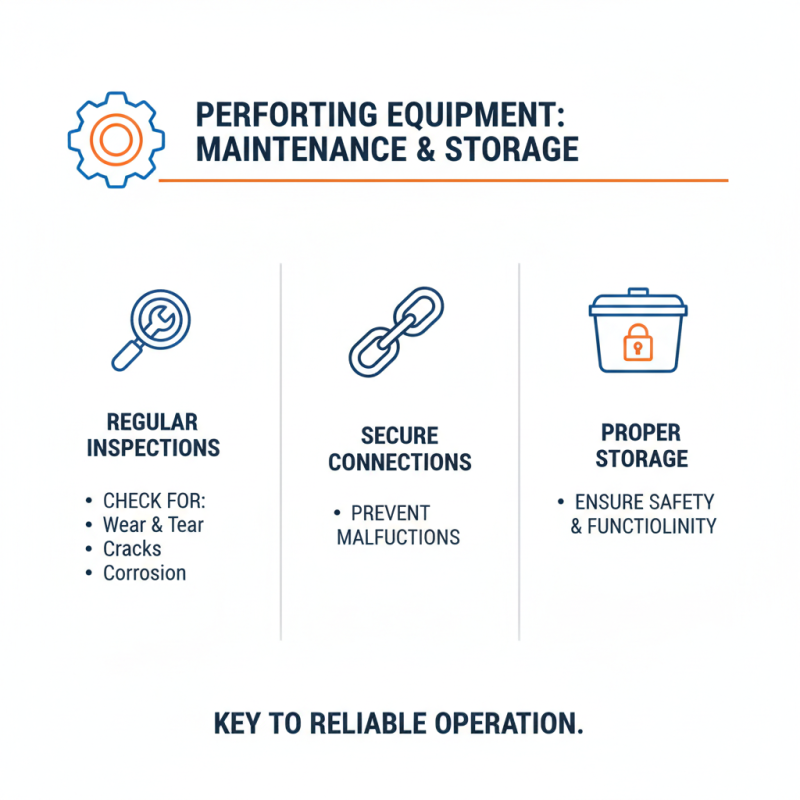
Proper maintenance and storage of perforating equipment are crucial for ensuring safety and functionality. Regular inspections are key. Check all components for wear and tear. Look for cracks and corrosion. These issues can lead to dangerous malfunctions during use. Ensure all connections are secure. A loose connection might seem minor, but it can cause significant problems.
When storing perforating guns, keep them in a cool, dry place. Humidity can degrade sensitive materials. Use protective casings to prevent physical damage. It’s wise to label containers clearly. Mislabeling can lead to serious confusion. Don't forget to establish a log for all maintenance activities. This helps track performance over time.
Consider how you handle the equipment. Always follow safety protocols, even when storing. Improper handling can lead to accidents. Reflect on your process. Are there areas for improvement? Regularly reviewing maintenance schedules can enhance safety. It’s important to adapt and evolve your practices. Stagnation can lead to risks that can be avoided.
Innovative Special-shaped Copper Extrusions: Revolutionizing the Marine Industry's Component Solutions
Innovative special-shaped copper extrusions are transforming component solutions within the marine industry, addressing the rigorous demands of various applications. With their intrinsic qualities such as enhanced corrosion resistance and excellent electrical conductivity, these tailored copper profiles are engineered to meet the specific requirements of shipbuilding, offshore structures, and underwater devices. According to industry reports, copper's natural anti-corrosive properties significantly outperform alternatives, contributing to a longer lifespan for marine components.
The versatility of special-shaped copper extrusions allows for customized designs that can adapt to the complex geometries often encountered in marine environments. This adaptability not only aids in achieving optimal performance but also ensures integrity under harsh conditions. Recent advancements in copper extrusion techniques have improved the mechanical strength of these products, making them suitable for both structural and functional applications in marine technology. Furthermore, as reported by maritime engineering journals, utilizing copper in marine applications can result in a reduction of maintenance costs due to its lasting durability and stability in saltwater environments.
In summary, the evolving landscape of the marine industry is increasingly relying on innovative special-shaped copper extrusions to enhance efficiency and performance. By leveraging the benefits of copper, manufacturers and engineers can deliver solutions that not only withstand corrosive settings but also fulfill the demanding operational needs of modern maritime activities. This represents a significant stride towards modernizing component solutions in one of the most challenging environments on Earth.
FAQS
: Products range from electronics and fashion to home goods. There’s something for everyone.
Check regularly for discounts. Sign up for newsletters for alerts. However, not all deals are the best.
Yes, most places offer a return policy. Be mindful of time limits and conditions. Returns can be tricky.
Create a list of what you need. Stick to that list. Impulse buying can lead to regret.
Commonly accepted methods include credit cards and digital wallets. Sometimes, cash isn't an option.
Yes, most services provide tracking information. Delays can happen, so check regularly.
Many places have loyalty programs for returning customers. However, read the terms carefully; they can be complex.
Reach out via provided contact methods. Be clear about your issue, but sometimes responses take longer.
Report it immediately to customer service. Keep all packaging. It’s frustrating, but be patient during the process.
Changes might be possible, but not guaranteed. Act quickly; once processing starts, options may disappear.
Conclusion
Perforating Gun Shaped Charges are critical tools in the oil and gas industry, utilized for creating perforations in well casings to facilitate the flow of hydrocarbons. Understanding their various types and applications is essential for maximizing their effectiveness. Each type of perforating charge has distinct features that cater to specific operational needs, and knowing these can significantly influence the success of perforation operations.
Safety is paramount when handling Perforating Gun Shaped Charges, necessitating strict adherence to key safety precautions. A step-by-step guide for setting up these guns is vital for ensuring proper functionality and efficiency. Additionally, employing techniques to maximize penetration efficiency and addressing common challenges can enhance overall performance. Best practices for the maintenance and storage of perforating equipment not only prolong their lifespan but also ensure safe and reliable operation in the field.